
Prolotherapy vs PRP: Which Regenerative Injection Treats Your Joint Pain Best?
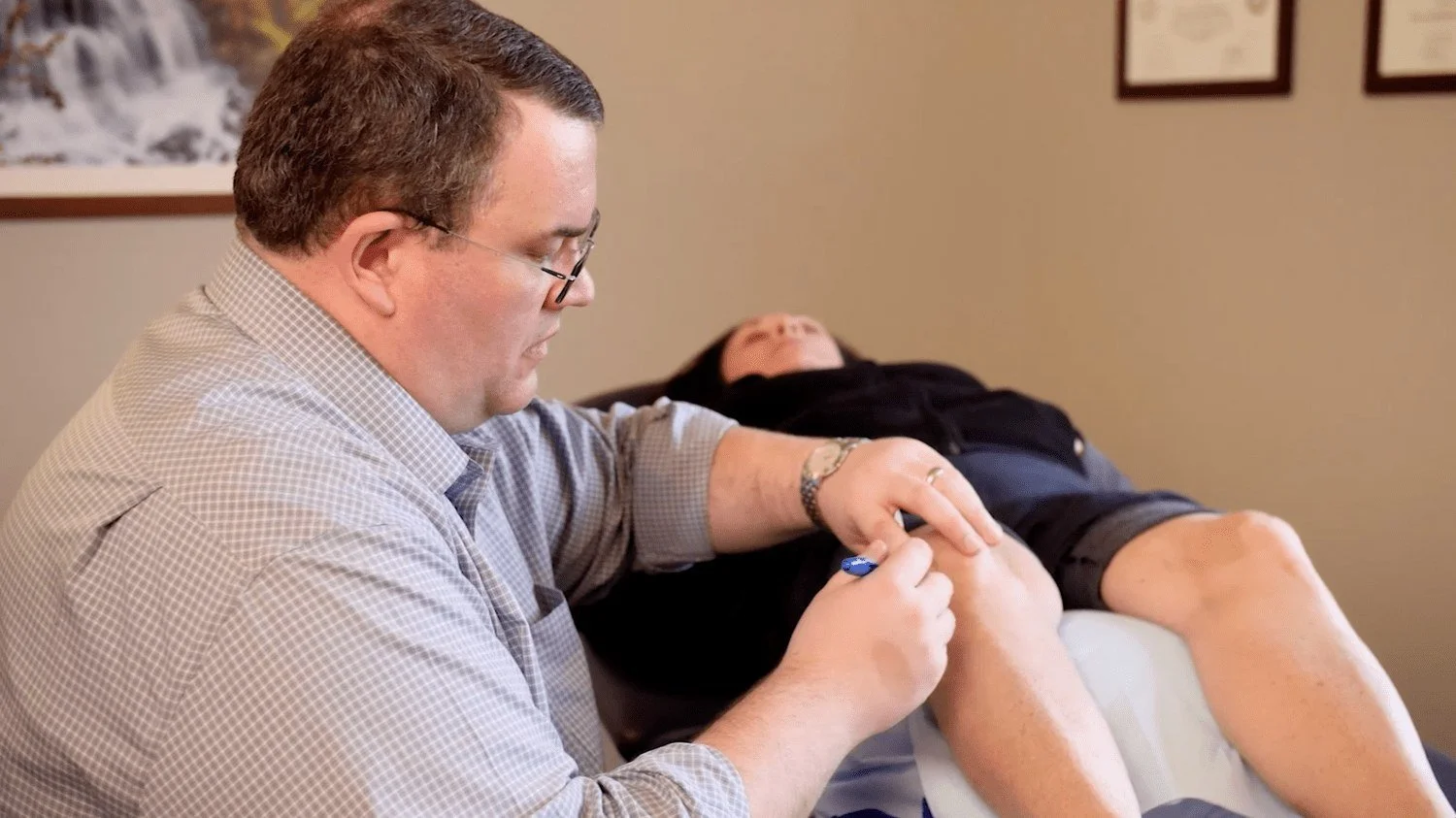
When a knee, shoulder or back has hurt for months, most people reach the same crossroads. Pain pills only take the edge off, steroid shots wear off, and surgery feels like too big a step. That is usually when two regenerative options come up: prolotherapy and platelet-rich plasma, better known as PRP.
Both are injections. Both aim to help your body repair damaged tissue rather than just mask pain. But they use different ingredients, suit different injuries and cost different amounts. This guide from Dr. Dan Williams, a board-certified osteopathic physician in Carmel, Indiana, walks through prolotherapy vs PRP in plain language so you can understand which one may fit your joint pain and what to ask at your appointment.
The short answer: Prolotherapy is often the first choice for loose or weakened ligaments, chronic sprains and joint instability. PRP is often preferred for more advanced tendon or ligament tears and for some arthritic joints. Neither is best for everyone. The right choice depends on what is actually causing your pain, which is why an exam comes first.
What Is Prolotherapy?
Prolotherapy, short for proliferative therapy, is a non-surgical treatment for joint and ligament repair. A series of small injections is placed into the area around a weakened or damaged ligament, tendon or joint. The most common solution is dextrose, a simple sugar. Dextrose prolotherapy is the original form of the treatment and has been used since the 1930s.
The injection works by creating a mild, controlled inflammatory response. That may sound backward, since inflammation is usually treated as the enemy. In reality, inflammation is how your body starts healing. The response draws in repair cells, which lay down new collagen and connective tissue over unstable or torn ligaments and tendons. Over a series of visits, the treated area becomes stronger and more stable.
Dr. Williams trained in the Hackett-Hemwall technique, a well-established approach to prolotherapy that treats the whole region around a joint rather than a single point. That matters because joint pain often comes from several small ligament attachments, not just one spot.
What Is PRP Therapy?
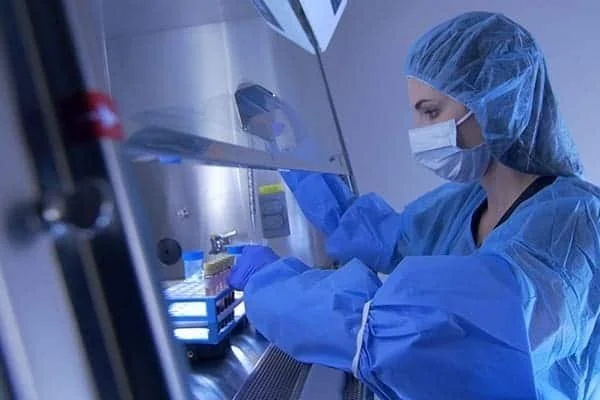
PRP stands for platelet-rich plasma. It is made from your own blood. A small blood sample is drawn in the office, then spun to separate and concentrate the platelets. Platelets carry growth factors, the proteins your body naturally sends to an injury to start repair. That concentrated plasma is then injected into the damaged tissue.
Because PRP delivers a higher dose of your own healing factors directly to the injury, it is often used for more advanced problems. On his prolotherapy and PRP page, Dr. Williams notes that a traditional dextrose injection is usually enough to strengthen ligaments and tendons after simple strains and sprains, while PRP may offer a higher chance of success for more advanced tissue and ligament tears.
There is also a third, stronger option for some patients: Regenexx bone marrow concentrate, which uses repair cells drawn from the back of the hip. It is generally reserved for more significant joint damage and is discussed after an exam and imaging review.
Prolotherapy vs PRP at a Glance
| Factor | Prolotherapy | PRP |
|---|---|---|
| What is injected | Dextrose solution | Concentrated platelets from your own blood |
| Blood draw needed | No | Yes |
| Often used for | Ligament laxity, chronic sprains, joint instability | More advanced tendon and ligament tears, some arthritis |
| Typical visits | 2 to 5 visits over 2 to 3 months | Usually fewer treatments |
| Starting cost at our office | $450 per injection | $1,800 per treatment |
| Soreness afterward | Common for 1 to 4 days | Common for 1 to 4 days |
Which Joint Problems Does Each Treat Best?
The real question is not which injection is better in general. It is which injection is better for your specific injury. Here is how the choice often plays out by joint.
Knee pain
Many knees hurt because the ligaments that hold the joint steady have been stretched by an old sports injury or years of wear. A slightly loose joint forces the muscles and cartilage to work harder, which leads to pain. Prolotherapy is often a strong fit here. For a meniscus or ligament tear, or for mild to moderate osteoarthritis, PRP may be the better tool. Learn more about common causes of knee pain.
Shoulder and rotator cuff pain
The rotator cuff has a naturally poor blood supply, which is one reason shoulder injuries heal slowly and often linger. Both prolotherapy and PRP can restart the healing response in areas like this. Partial rotator cuff tears and labral injuries often lean toward PRP, while a shoulder that feels loose or unstable may respond well to prolotherapy. See Dr. Williams' guide to shoulder pain relief.
Low back and SI joint pain
Chronic low back pain is frequently tied to weakened ligaments around the spine and the sacroiliac (SI) joint. Prolotherapy has a long history in this area, and it is usually paired with osteopathic manipulation to restore normal motion. Read more about lower back pain treatment.
Elbow, wrist, hand, ankle and foot pain
Tendon problems such as tennis elbow often respond to PRP, especially when the tendon has been damaged for a long time. Repeated ankle sprains and loose wrist or hand joints are often treated with prolotherapy. Arthritis in the hands and other small joints can respond to either, depending on how advanced it is.
Are You a Good Candidate for Prolotherapy or PRP?
Regenerative injections tend to be a good fit if you are:
Looking for a safe alternative to surgery and long-term pain medication
Living with chronic neck, back or joint pain that has not improved with rest or physical therapy
Recovering from a sports injury involving tendons or ligaments
Dealing with joint pain from mild to moderate arthritis
Still having problems even after a previous surgery
They are usually not the right first step if imaging shows severe joint destruction, if pain points to a fracture or infection, or if another medical condition needs attention first. A good evaluation should tell you plainly when injections are unlikely to help.
What Does the Research Say?
Both prolotherapy and PRP have been studied for decades, and research on regenerative injections continues to grow. Studies comparing the two directly have shown mixed results, partly because PRP preparations differ from clinic to clinic and because injuries vary so much from person to person. What the research and clinical experience agree on is that results depend heavily on choosing the right patient, the right injection and an accurate injection technique. That is why Dr. Williams focuses on diagnosis first and makes the choice case by case, rather than offering one injection for every problem.
How Dr. Williams Decides Which Injection Is Right for You
The most important step is an accurate diagnosis, because the same knee pain can come from a ligament, a tendon, cartilage or even the hip or foot. At your first visit, Dr. Williams will:
1. Listen first: He asks about your pain, past injuries, activity goals and what you have already tried.
2. Examine the whole body: As an osteopathic physician, he checks how nearby joints, the spine and your posture load the painful area.
3. Review imaging: Bring any X-rays, MRIs and lab results from the last three years.
4. Confirm the source: If needed, a diagnostic numbing injection is placed where the pain is believed to start. If the pain lifts right away, the source is confirmed.
5. Build a plan: You get a clear recommendation for prolotherapy, PRP or another option, along with the expected number of visits. Treatment may begin at the first visit.
What to Expect During and After Treatment
Numbing medicine is used so the injections themselves are well tolerated. Afterward, mild to moderate soreness is normal for about 1 to 4 days, because the injections intentionally trigger healthy inflammation. During this window it is wise not to overstrain the area.
Most prolotherapy patients need 2 to 5 visits spread over 2 to 3 months to reach satisfying results. PRP typically requires fewer treatments. Because these treatments rebuild tissue, improvement usually builds gradually over weeks rather than overnight.
Why Injections Work Best as Part of a Complete Plan
Dr. Williams is clear that prolotherapy and PRP should not be used in isolation. Injections alone, without movement and nutrition support, are less likely to give the best result. That is why many patients pair them with osteopathic manipulation to keep the joint moving correctly while new tissue forms, medical acupuncture for pain control and trigger points, and nutrition changes that support healing, including healthy vitamin D levels. For some patients, functional medicine helps uncover inflammation or nutrient issues that slow recovery.
How Much Do Prolotherapy and PRP Cost?
At Dr. Williams' Carmel office, prolotherapy treatments start at $450 per injection, and PRP treatments start at $1,800 per treatment. Your total depends on how many areas need treatment and how many visits your injury requires, so you receive an estimate after your exam.
Dr. Williams has chosen not to sign contracts with insurance companies, so he works as an out-of-network provider. After each visit you receive a detailed superbill to submit to your insurer. Some patients are fully reimbursed, while others can apply the cost toward their yearly deductible, depending on their plan. The payment and insurance FAQ has more detail.
Why Patients Choose Dr. Dan Williams
Dr. Dan Williams, DO, FAAO is a board-certified osteopathic physician and a fellow of the American Academy of Osteopathy. He is trained in prolotherapy using the Hackett-Hemwall technique, PRP and other regenerative medicine methods, as well as medical acupuncture and functional medicine. He served as Vice President of Certifying Board Services for the American Osteopathic Association and has assisted with NIH-funded research on osteopathic treatment for pain.
His goal is to find the source of your pain, help your body heal itself and avoid unnecessary medication and surgery. He treats patients from Carmel, Indianapolis, Fishers, Zionsville, Westfield and Noblesville, and the office is happy to help patients traveling from out of town with travel and accommodations.
Frequently Asked Questions
Which is better, prolotherapy or PRP?
Neither is better for everyone. Prolotherapy is often used for loose or weakened ligaments, chronic sprains and joint instability, while PRP is often preferred for more advanced tendon or ligament tears and some arthritis. Dr. Dan Williams recommends one after a physical exam and review of your imaging.
Is prolotherapy or PRP better for knee pain?
It depends on the cause. Knee pain from stretched or weakened ligaments often responds well to prolotherapy. A meniscus tear, ligament tear or mild to moderate arthritis may be better suited to PRP. An exam identifies which structure is causing the pain.
How many prolotherapy or PRP sessions will I need?
Most prolotherapy patients need 2 to 5 visits over 2 to 3 months. PRP typically requires fewer treatments. The exact number depends on your diagnosis and how severe the injury is.
Do prolotherapy and PRP injections hurt?
Numbing medicine keeps the injections comfortable. Mild to moderate soreness for about 1 to 4 days afterward is normal, because the injections trigger a healthy healing response.
How much do prolotherapy and PRP cost in Carmel, Indiana?
At Dr. Dan Williams' Carmel office, prolotherapy starts at $450 per injection and PRP starts at $1,800 per treatment. You receive an estimate after your exam, and a superbill after each visit to submit to your insurance.
Does insurance cover prolotherapy or PRP?
Dr. Williams is an out-of-network provider and does not contract with insurance companies. He provides a detailed superbill you can submit for possible reimbursement. Coverage depends on your insurance company and plan.
Find Out Which Injection Fits Your Joint Pain
If joint pain is holding you back and you want a non-surgical option, the best first step is a clear diagnosis. Learn more about prolotherapy and PRP in Carmel or request an appointment with Dr. Dan Williams to find out whether prolotherapy, PRP or another approach is right for you.
Visit: 11590 N Meridian St, Suite 200, Carmel, IN 46032
Call or text: 317-819-4949 | Hours: Monday to Friday, 8 a.m. to 5 p.m.
Wear comfortable clothing so the painful area can be examined, and bring any X-rays, MRIs and lab results from the last three years. If your plan is clear, treatment may begin at your first visit.
This article is for education and is not medical advice. Results from prolotherapy and PRP vary from person to person and cannot be guaranteed.