
Plantar Fasciitis: Why Osteopathic Manipulation Treats the Whole Kinetic Chain, Not Just the Foot

If your first steps out of bed feel like walking on a bruise, you already know the classic sign of plantar fasciitis. You may have tried new shoes, ice, stretching and heel cups. Sometimes the pain fades, only to return a few months later. When heel pain keeps coming back, the problem often is not only in the foot.
The foot is the last link in a chain that runs through the ankle, knee, hip, pelvis and lower back. When something up that chain stops moving well, the foot absorbs the extra load with every step. This article from Dr. Dan Williams, a board-certified osteopathic physician in Carmel, Indiana, explains why plantar fasciitis is so often a whole-body problem, and how osteopathic manipulation treats the entire kinetic chain rather than chasing the heel alone.
The short answer: Plantar fasciitis is strain and breakdown of the thick band of tissue under your foot. Tight calves, stiff ankles, knee and hip mechanics and even pelvic or lower back imbalances can change how weight lands on the foot and keep that tissue overloaded. Osteopathic manipulation looks for and treats those upstream causes, which is why it can help heel pain that keeps returning.
What Is Plantar Fasciitis?
The plantar fascia is a thick band of connective tissue that runs along the bottom of the foot and supports the arch. Plantar fasciitis is a repetitive strain injury of that tissue. According to the American Academy of Orthopaedic Surgeons (AAOS), the hallmark symptoms are:
Pain on the bottom of the foot near the heel
Pain with the first steps after waking, or after a long rest such as a car ride, that eases after a few minutes of walking
Pain that is worse after exercise or activity than during it
AAOS notes that it is most common between ages 40 and 60. Common risk factors include new or increased activity, running and other high-impact sports, long hours standing on hard surfaces, flat feet or high arches, tight calf muscles and excess body weight. Teachers, nurses, factory workers and anyone else on their feet all day are frequent patients.
Dr. Williams' plantar fasciitis page explains what happens over time. As the fascia is repeatedly strained, it weakens, the arch begins to collapse and the foot flattens. That collapse pulls on the fascia even more, which creates a painful cycle. When pain lasts for months, the problem is often better described as plantar fasciosis: degeneration of the tissue rather than simple inflammation.
What Is the Kinetic Chain?
The kinetic chain is the way your body's joints and muscles work together as a linked system. When you walk, your foot strikes the ground, your ankle bends, your knee absorbs shock, your hip stabilizes your pelvis and your spine balances your upper body. Every link affects the next one.
Osteopathic medicine is built on this idea. As Dr. Williams puts it, no body part stands alone: the foot is connected to the knee, which is connected to the hip, which is connected to the lower back, all the way up to your head. If weight is not distributed properly from the top down, the foot often pays the price.
How Problems Up the Chain Overload the Foot

Here are the most common upstream contributors Dr. Williams looks for when someone comes in with stubborn heel pain.
Tight calves and a stiff ankle
The calf muscles connect to the heel through the Achilles tendon, and the plantar fascia continues from the heel into the arch. When the calves are tight or the ankle cannot bend well, the foot is forced to flatten and twist more with each step, which puts extra tension on the fascia. This is one reason calf stretching is a core part of nearly every plantar fasciitis plan.
Knee and hip mechanics
If the hip muscles are weak or the hip is restricted, the knee can drift inward when you walk or run. That inward collapse rolls the foot inward and drops the arch, which loads the plantar fascia again and again. The same pattern often shows up alongside knee pain, which is why people with heel pain sometimes notice knee or hip discomfort too.
Pelvis and lower back
A tilted pelvis, a restricted sacroiliac joint or stiffness in the lower back can change how weight shifts from one leg to the other. Over thousands of steps a day, one foot may end up carrying more than its share. Irritation of a lower back nerve root can also cause pain that is felt in the heel, so a careful exam helps separate true plantar fasciitis from sciatica or other nerve-related pain.
Gait, footwear and daily habits
Worn-out shoes, sudden jumps in training mileage, long shifts on concrete and favoring an old injury all change the way you move. These factors rarely cause plantar fasciitis on their own, but they add load to a chain that may already be out of balance.
How Osteopathic Manipulation Treats the Whole Chain
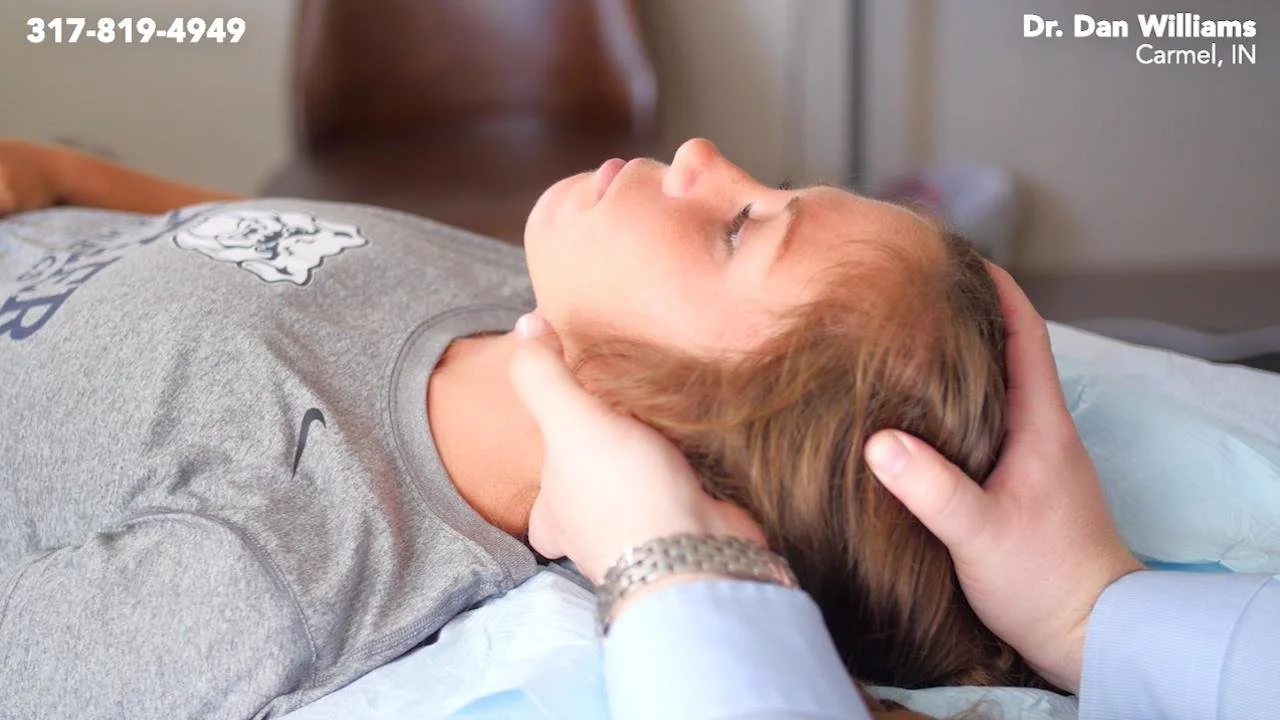
Osteopathic manipulative treatment, or OMT, is a hands-on approach used by osteopathic physicians to diagnose and treat problems in the muscles, bones, joints and connective tissue. Instead of only treating the sore spot, OMT aims to remove the restrictions that keep the body from healing itself.
For plantar fasciitis, Dr. Williams typically starts with a structural exam that checks your range of motion and gait, then works through the chain. Depending on what he finds, treatment may include:
Counterstrain: Gently positioning a tender area into comfort to calm overactive muscles, such as tight calf muscles
Myofascial release: Sustained, gentle pressure to ease tension in the fascia of the foot, calf and leg
Ligamentous articular strain: Balancing tension in the ligaments around the ankle, foot and knee joints
Soft tissue and active release techniques: Loosening tight muscles in the calves, hamstrings and hips
Gentle joint mobilization: Restoring normal motion in the ankle, knee, hip, pelvis and lower back where it is restricted
The goal is to restore proper weight distribution to the feet. When the ankle bends normally, the knee tracks straight and the pelvis is balanced, the plantar fascia no longer has to absorb as much stress, which gives it a real chance to heal.
What Does the Research Say?
The outlook for plantar fasciitis is generally good. AAOS reports that more than 90% of patients improve within 10 months of starting simple, nonsurgical treatment, and surgery is usually reserved for people who do not improve after 12 months of consistent care.
Research on OMT specifically for plantar fasciitis is limited but encouraging. A small randomized trial in the Journal of the American Osteopathic Association compared counterstrain with a placebo in 20 adults with plantar fasciitis and found clinical improvement with counterstrain, along with changes in how the calf muscles responded to stretch. The study was small, so it supports OMT as part of a plan rather than proving it works for everyone. Results vary from person to person.
Building a Complete Plantar Fasciitis Plan
OMT works best when it is combined with home care and, when needed, other treatments. Dr. Williams often recommends:
Tennis or golf ball massage: Roll the bottom of your foot over the ball for a few minutes, 2 to 3 times a day.
Frozen water bottle roll: The same rolling motion with a frozen bottle massages the fascia and calms pain.
Calf stretching: Daily calf stretches reduce pull on the heel and improve ankle motion.
Supportive shoes and arch supports: Well-fitted shoes, arch supports and foot taping reduce strain on the fascia.
Night splints: For stubborn morning pain, a night splint keeps the foot gently stretched while you sleep.
For pain that lingers, medical acupuncture can help calm pain generators in the muscles and fascia. When the fascia itself has started to degenerate, prolotherapy or PRP injections can help strengthen the connective tissue and support the arch. At the Carmel office, prolotherapy starts at $450 per injection and PRP starts at $2,500 per treatment. If weight or whole-body inflammation is part of the picture, functional medicine can help address diet and lifestyle factors that slow healing.
When Should You See a Doctor for Heel Pain?
Many mild cases improve with rest, stretching and better shoes. It is time for an evaluation if:
Heel pain has lasted more than a few weeks despite home care
The pain keeps returning, or both feet are affected
You notice numbness, tingling or burning in the foot
The pain started after a fall or injury, or there is significant swelling
You have pain at night or at rest, or cannot comfortably bear weight
What to Expect at Your Visit
At your first appointment, Dr. Williams reviews your history and goals, performs a full exam and a structural exam that includes your gait, and orders imaging or labs only if they are needed. Then he walks you through your options, and treatment can often begin at the first visit.
OMT is gentle, and most patients feel no pain during treatment. Some notice mild soreness or tightness for a day or two as the body adjusts, which is normal. Depending on how long the problem has been present, you may need several visits spaced out over weeks to months. OMT is included as part of your overall treatment plan. It is not appropriate for everyone. People with fractures, osteoporosis, certain blood clotting disorders, active infections or some other conditions may need a different approach, and Dr. Williams will let you know.
Why Patients Choose Dr. Dan Williams
Dr. Dan Williams, DO, FAAO is a board-certified osteopathic physician and a fellow of the American Academy of Osteopathy. He served as Vice President of Certifying Board Services for the American Osteopathic Association and has assisted with NIH-funded research on osteopathic manipulation and pain. He combines OMT with medical acupuncture, regenerative injections and functional medicine, so your plan can change as you heal rather than relying on a single treatment.
He treats runners, people who stand for a living and anyone whose heel pain has outlasted the usual fixes, from Carmel, Indianapolis, Fishers, Zionsville, Westfield and the surrounding area. His goal is to find the source of your pain and help your body heal itself, while avoiding unnecessary medication and surgery.
Frequently Asked Questions
Can osteopathic manipulation help plantar fasciitis?
Yes, for many people. Osteopathic manipulation treats restrictions in the calves, ankle, knee, hip, pelvis and lower back that can overload the plantar fascia. A small randomized trial found clinical improvement with counterstrain, an OMT technique, in adults with plantar fasciitis. Results vary, so OMT is usually combined with stretching and home care.
Why does my plantar fasciitis keep coming back?
Recurring heel pain often means the cause is upstream of the foot, such as tight calves, a stiff ankle, weak hips or a pelvic imbalance that keeps loading the plantar fascia. Long-standing cases can also involve degeneration of the fascia, called plantar fasciosis. Treating the whole kinetic chain helps break the cycle.
Can hip or lower back problems cause heel pain?
They can contribute. Hip weakness can let the knee and arch collapse inward, and pelvic or lower back imbalances can shift extra weight onto one foot. Irritation of a lower back nerve can also cause pain felt in the heel, which is why a full exam matters.
How many OMT sessions does plantar fasciitis need?
It depends on how long you have had symptoms and what is driving them. Many patients need several visits spaced over weeks to months. Dr. Dan Williams outlines a recommended plan at your first visit.
Does osteopathic manipulation hurt?
Most patients feel no pain during OMT. Some notice mild soreness or tightness for a day or two afterward as the body adjusts, which is normal.
Where can I get osteopathic treatment for plantar fasciitis near Carmel, Indiana?
Dr. Dan Williams, DO, treats plantar fasciitis at 11590 N Meridian St, Suite 200, Carmel, IN 46032, serving Carmel, Indianapolis and nearby communities. Call or text 317-819-4949 to schedule.
Get to the Root of Your Heel Pain in Carmel
If plantar fasciitis keeps interrupting your runs, your workday or your first steps in the morning, it may be time to look beyond the foot. Request an appointment with Dr. Dan Williams to find out what is driving your heel pain and build a plan that treats the whole chain. You can also learn more about osteopathic manipulation in Carmel.
Visit: 11590 N Meridian St, Suite 200, Carmel, IN 46032
Call or text: 317-819-4949 | Hours: Monday to Friday, 8 a.m. to 5 p.m.
Wear comfortable, loose clothing and bring any X-rays, MRIs and lab results from the last three years, plus the shoes you wear most often. Dr. Williams is an out-of-network provider and provides a detailed superbill after each visit that you can submit to your insurance; see the payment and insurance FAQ for details. Traveling from out of town? The office is happy to help with travel and accommodations.
This article is for education and is not medical advice. Results from osteopathic manipulation and other treatments vary from person to person.