
Functional Medicine and Nutrition Optimization: The Osteopathic Approach to Chronic Disease
Maybe you have been told your labs look "normal," yet you still wake up stiff, run out of energy by mid-afternoon and live with aches that never fully go away. Or you have a growing list of prescriptions, each one covering a different symptom, and no clear answer to the bigger question: why is this happening?
That question is the starting point of functional medicine. At Dr. Dan Williams, a board-certified osteopathic physician in Carmel, Indiana, functional medicine and nutrition optimization are paired with hands-on osteopathic care to look for what is driving a chronic health problem, not just what it feels like. This article explains how that approach works, who it tends to help and what to expect if you decide to try it.
The short answer: Functional medicine looks for the root causes of chronic health problems, such as inflammation, diet, nutrient gaps, stress, sleep and movement, instead of only treating symptoms. The osteopathic approach adds a hands-on exam and treatment of the muscles, joints and connective tissue. Together they aim to support the body's own ability to heal, often with fewer medications.
Why Chronic Disease Needs a Different Approach
Chronic conditions are now the norm rather than the exception. According to the Centers for Disease Control and Prevention (CDC), about three in four U.S. adults have at least one chronic condition, and more than half have two or more. The CDC also lists poor nutrition and physical inactivity among the key lifestyle risk factors behind chronic disease.
Those numbers point to a simple problem. Many chronic conditions are shaped by daily habits and by several systems in the body at once, but traditional care often treats each symptom separately. Pain gets an anti-inflammatory, poor sleep gets a sleep aid, digestive trouble gets an antacid. Each one may help in the short term, while the underlying pattern continues.
Dr. Williams has seen the downside of that pattern in his own patients. On his osteoarthritis treatment page, he explains that long-term anti-inflammatory use can strain the kidneys, liver and stomach, and can interfere with the body's natural healing process. That is why he prefers to look for causes first and use medication only when it is truly needed.
What Is Functional Medicine?
Functional medicine is a whole-person approach that looks for the root cause of a health problem instead of only treating symptoms. It starts with one question: why is this happening to this person? The answer usually comes from several places at once, including your health history, physical exam, lab work, diet, sleep, stress and activity level.
Rather than a one-size-fits-all protocol, the result is a personal plan. Two people with the same diagnosis may get very different recommendations, because the factors driving their symptoms are different.
The Osteopathic Approach: Treating the Whole Person
Osteopathic physicians (DOs) were thinking this way long before "functional medicine" became a popular term. The American Osteopathic Association describes the tenets of osteopathic medicine this way:
The body is a unit; the person is a unit of body, mind and spirit.
The body is capable of self-regulation, self-healing and health maintenance.
Structure and function are reciprocally interrelated.
Rational treatment is based on an understanding of these principles.
In everyday terms, that means your joints, muscles, digestion, hormones, sleep and stress all affect one another, and the body heals best when obstacles to healing are removed. Functional medicine fits naturally into that philosophy. It gives a DO tools to address the internal side of health, such as nutrition and inflammation, while osteopathic manipulation addresses the structural side.
How Nutrition Optimization Supports Healing
Food is one of the most powerful levers you control every day. Dr. Williams often starts with nutrition because diet affects inflammation, body weight, energy and the raw materials your body needs to repair tissue.
Lowering inflammation through food
A diet high in processed and fatty foods can create low-level inflammation throughout the body, which in turn can worsen joint damage and pain. Dr. Williams generally recommends a balanced, anti-inflammatory way of eating built around:
Plenty of vegetables, especially broccoli, Brussels sprouts and cabbage
Whole grains, fruits and legumes
Fewer processed foods, refined sugars and fried or fatty foods
Supporting healthy weight
Excess weight does more than load the joints. Combined with poor diet, it adds to whole-body inflammation. For patients with arthritis or chronic joint pain, steady weight loss through better nutrition is often one of the most effective changes they can make, and it supports every other treatment in the plan.
Filling nutrient gaps
Lab work can reveal gaps that slow healing. Vitamin D is a common example, and Dr. Williams notes on his prolotherapy and PRP page that good nutrition supporting healthy vitamin D levels is part of a successful regenerative treatment plan. When it makes sense, he may recommend targeted nutraceutical supplements to support recovery and reduce inflammation naturally, chosen around your labs rather than a generic list.
Where Osteopathic Manipulation Fits In
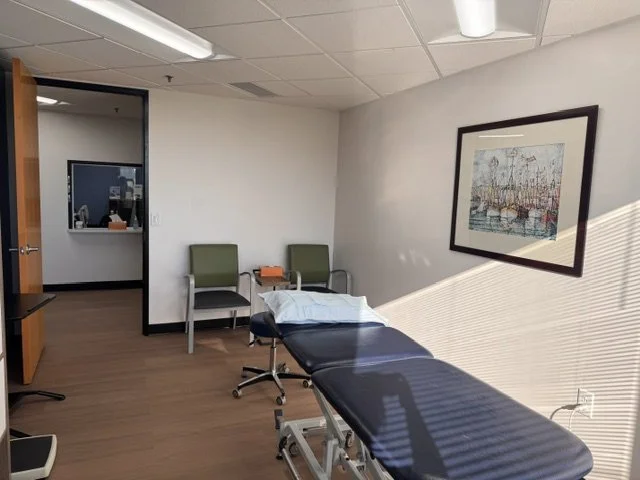
Nutrition works from the inside. Osteopathic manipulation (OMT) works on the structure that holds everything together. Using gentle, hands-on techniques, Dr. Williams treats restrictions in the muscles, joints and connective tissue that can contribute to pain, poor circulation and limited movement.
Benefits patients often look for from OMT include relief from muscle tension, better joint mobility, improved blood flow to injured areas and better sleep. Dr. Williams also uses OMT for conditions such as headaches, digestive disorders, posture problems and chronic back and neck pain. When structure and nutrition are treated together, each makes the other more effective: a body that moves well and is well fed is better able to heal.
For some patients, the plan also includes medical acupuncture for pain and stress, regenerative injections for damaged ligaments or joints, or hormone therapy when hormone balance is part of the picture.
Common Root Causes Dr. Williams Looks For
Every patient is different, but chronic symptoms often trace back to a handful of overlapping factors. During your evaluation, Dr. Williams looks at:
Diet and inflammation: Processed foods, excess sugar and low vegetable intake that keep inflammation running in the background
Nutrient gaps: Low levels of nutrients such as vitamin D that the body needs for repair
Structural restrictions: Old injuries, posture problems or joint restrictions that change how the body moves and heals
Sleep and stress: Poor sleep, long hours and constant stress that leave the body little time to rest and recover
Activity level: Too little movement, or too much without enough recovery
Medication patterns: Long-term use of pain relievers or other drugs that may cover symptoms while adding side effects
Finding which of these matter most for you is what turns a general healthy-living message into a specific, workable plan.
Simple Steps You Can Start Today
Some changes do not need to wait for an appointment. These small steps support almost any chronic disease plan:
1. Add one extra serving of vegetables to lunch and dinner each day.
2. Swap one processed snack for fruit, nuts or legumes.
3. Take a 10 to 20 minute walk most days, at a pace that feels comfortable.
4. Set a consistent bedtime and limit screens and work email in the last hour before sleep.
5. Keep a simple log of your symptoms, meals and sleep for two weeks and bring it to your first visit.
Who Can Benefit From This Approach?
Functional medicine combined with osteopathic care tends to help people who feel their health has stalled. Dr. Williams commonly works with:
Adults living with chronic back, neck, joint or muscle pain
People with ongoing inflammation who want a natural, non-surgical approach
Anyone with low energy who feels their health is holding them back
Patients hoping to reduce or avoid unnecessary medication and surgery
Active adults and athletes who want to recover faster and stay active
This approach does not replace emergency care or treatment for serious acute illness, and it is not a substitute for medications you truly need. Do not stop any prescribed medication without talking to the doctor who prescribed it.
What Happens at a Functional Medicine Visit?
Your first visit is a real conversation, not a rushed checklist. Here is what it usually looks like at the Carmel office:
1. Your story: Dr. Williams asks about your challenges, goals, history and daily habits, including diet, sleep, stress and activity.
2. A whole-body exam: As an osteopathic physician, he examines how your body moves and where restrictions or tension may be adding to symptoms.
3. Records and labs: Bring any lab tests, X-rays and MRIs from the last three years. New lab studies are ordered only when they will change the plan.
4. Your plan: You leave with clear next steps, which may include diet changes, targeted supplements and hands-on treatment. Treatment may begin at the first visit.
5. Follow-up: Follow-up visits track your progress and adjust the plan as your health changes.
Setting Realistic Expectations
Chronic problems usually develop over years, and they rarely disappear in a week. Many people notice changes in energy, sleep or pain within the first few weeks of consistent diet changes and treatment, while deeper improvements take longer. Results vary from person to person, and Dr. Williams will talk through what is realistic for you at your first visit. The goal is steady progress you can sustain, not a quick fix.
Why Patients Choose Dr. Dan Williams
Dr. Dan Williams, DO, FAAO is a board-certified osteopathic physician and a fellow of the American Academy of Osteopathy, trained in functional medicine, medical acupuncture, prolotherapy and PRP. He served as Vice President of Certifying Board Services for the American Osteopathic Association and has assisted with NIH-funded research on osteopathic treatment for pain.
Because he practices functional medicine and osteopathic medicine under one roof, your nutrition, supplements and hands-on treatment are coordinated by one physician who knows your whole history. He sees patients from Carmel, northern Indianapolis, Zionsville, Fishers and across Hamilton and Boone County.
Frequently Asked Questions
What is functional medicine?
Functional medicine is a whole-person approach that looks for the root cause of a health problem instead of only treating symptoms. At his Carmel, Indiana office, Dr. Dan Williams uses your history, exam and lab work to guide diet changes, nutrition optimization and targeted supplements, often combined with osteopathic care.
How is functional medicine different from conventional medicine?
Conventional care often treats each symptom with its own medication. Functional medicine asks why the symptoms are happening and looks at diet, inflammation, nutrient levels, sleep, stress and movement together. It can work alongside conventional care rather than replacing it.
Can functional medicine help with chronic pain?
It can be one part of a chronic pain plan. Nutrition changes and supplements may help reduce inflammation and support recovery, while osteopathic manipulation addresses the muscles, joints and connective tissue. Results vary from person to person.
What does nutrition optimization involve?
Nutrition optimization is a personal eating plan built around your goals and lab results. It usually emphasizes vegetables, whole grains, fruits and legumes, limits processed and fatty foods, supports healthy weight and fills nutrient gaps such as low vitamin D, sometimes with targeted supplements.
Does insurance cover functional medicine with Dr. Williams?
Dr. Williams does not sign contracts with insurance companies, so services are billed as an out-of-network provider. After each visit you receive a detailed superbill that you can submit to your insurance company for possible reimbursement.
Where can I find a functional medicine doctor near Indianapolis?
Dr. Dan Williams, DO, practices functional medicine at 11590 N Meridian St, Suite 200, Carmel, IN 46032, just north of Indianapolis. Call 317-819-4949 to schedule a visit, Monday to Friday.
Start Finding the Source of Your Health Problem
If you are tired of treatments that only cover symptoms up, a root-cause plan may be the next step. Learn more about functional medicine in Carmel or request an appointment with Dr. Dan Williams to talk through your health history, goals and options.
Visit: 11590 N Meridian St, Suite 200, Carmel, IN 46032
Call or text: 317-819-4949 | Hours: Monday to Friday, 8 a.m. to 5 p.m.
Wear comfortable clothing and bring any lab results, X-rays and MRIs from the last three years, along with a list of your current medications and supplements. Dr. Williams is an out-of-network provider and provides a detailed superbill after each visit; see the payment and insurance FAQ for details. Traveling from out of town? The office is happy to help with travel and accommodations.
This article is for education and is not medical advice. Do not start, stop or change any medication without talking to your doctor. Results vary from person to person.